How to Successfully Build Out Your Restaurant Space
Creating a restaurant space that not only attracts customers but also enhances their dining experience is a challenging yet rewarding endeavor. The layout, design, and functionality of your restaurant can significantly impact its success. In this blog post, we will explore essential steps to successfully build out your restaurant space, ensuring it meets both aesthetic and operational needs.
Understanding Your Concept
Before diving into the physical aspects of your restaurant, it’s crucial to have a clear understanding of your concept. This includes:
Cuisine Type: What type of food will you serve? This will influence your kitchen layout and equipment.
Target Audience: Who are your ideal customers? Understanding their preferences will guide your design choices.
Ambiance: What atmosphere do you want to create? This will affect everything from lighting to furniture selection.
Example: Defining Your Concept
For instance, if you are opening a casual taco joint, your space should reflect a vibrant and relaxed atmosphere with colorful decor and communal seating. In contrast, a fine dining establishment may require a more sophisticated design with intimate seating arrangements and subdued lighting.
Designing the Layout
Once you have a clear concept, the next step is to design the layout of your restaurant. A well-thought-out layout can enhance the flow of both staff and customers.
Key Areas to Consider
Dining Area: This is where your customers will spend most of their time. Consider the following:
Seating Arrangement: Choose between booths, tables, or a mix. Ensure there is enough space for movement.
Capacity: Determine how many guests you can comfortably accommodate without sacrificing comfort.
Kitchen: The heart of your restaurant. Ensure it is:
Efficient: Design the kitchen for optimal workflow to minimize movement and maximize productivity.
Equipped: Invest in the right equipment based on your menu.
Restrooms: These should be easily accessible but not intrusive to the dining experience. Ensure they are clean and well-maintained.
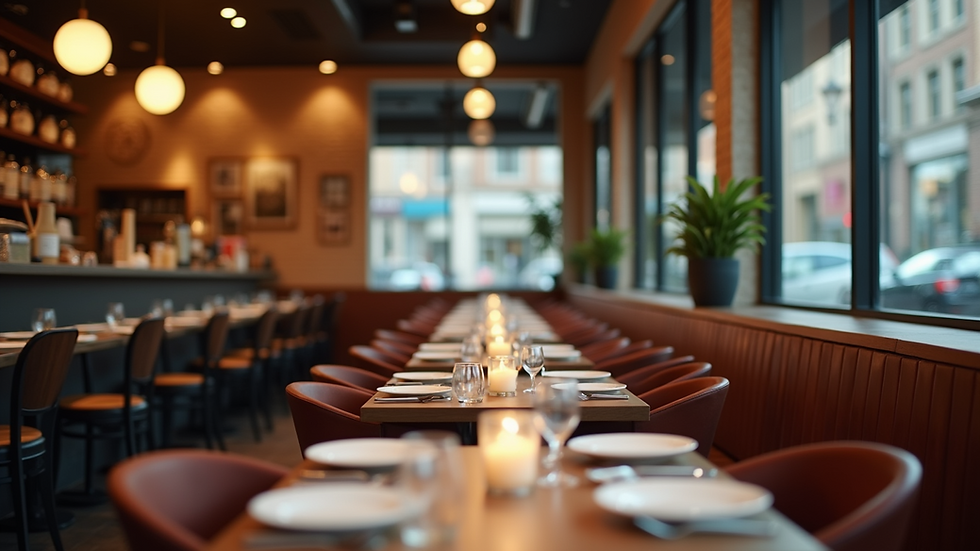
Image Placeholder
Choosing the Right Materials
The materials you choose for your restaurant can significantly impact both aesthetics and functionality. Consider the following:
Durability: Choose materials that can withstand heavy use, especially in high-traffic areas.
Maintenance: Opt for materials that are easy to clean and maintain.
Aesthetic Appeal: Select materials that align with your restaurant's concept and ambiance.
Example: Material Choices
For a rustic-themed restaurant, reclaimed wood and metal accents can create a warm and inviting atmosphere. Conversely, a sleek, modern restaurant may benefit from glass and polished concrete for a contemporary look.
Lighting and Ambiance
Lighting plays a crucial role in setting the mood of your restaurant. It can enhance the dining experience and influence customer behavior.
Types of Lighting to Consider
Ambient Lighting: This is the general lighting that fills the space. Use soft, warm lights to create a welcoming atmosphere.
Task Lighting: Focused lighting for specific areas, such as over tables or in the kitchen.
Accent Lighting: Highlight specific features, such as artwork or architectural details.
Example: Lighting Choices
A fine dining restaurant may use dimmable chandeliers for ambient lighting, while a casual eatery might opt for pendant lights over tables to create a cozy feel.
Incorporating Technology
In today’s digital age, incorporating technology into your restaurant can enhance efficiency and customer experience.
Technology to Consider
Point of Sale (POS) Systems: Invest in a reliable POS system that streamlines order taking and payment processing.
Online Reservations: Allow customers to book tables online for convenience.
Digital Menus: Consider using tablets or QR codes for menus to reduce paper waste and update offerings easily.
Example: Technology Integration
A restaurant that uses a modern POS system can track inventory in real-time, helping to reduce waste and improve profitability.
Creating a Unique Experience
To stand out in a competitive market, consider how you can create a unique experience for your customers.
Ideas for Unique Experiences
Open Kitchen Concept: Allow customers to see their food being prepared, adding an element of transparency and excitement.
Interactive Dining: Offer cooking classes or chef’s table experiences for a more engaging visit.
Themed Nights: Host special events, such as trivia nights or wine tastings, to attract different crowds.
Example: Unique Experience
A restaurant that offers a chef’s table experience can provide an intimate setting where guests can interact with the chef and learn about the dishes being prepared.
Final Touches: Decor and Branding
Once the layout and functionality are in place, focus on the decor and branding of your restaurant. This includes:
Color Scheme: Choose colors that reflect your brand and create the desired ambiance.
Artwork and Decor: Incorporate local art or themed decor that resonates with your concept.
Signage: Ensure your restaurant's name and logo are prominently displayed and easy to read.
Example: Branding Through Decor
A seafood restaurant might use nautical-themed decor, such as fishing nets and shells, to reinforce its brand identity and create a cohesive experience.
Conclusion
Building out your restaurant space is a multifaceted process that requires careful planning and execution. By understanding your concept, designing an efficient layout, choosing the right materials, and incorporating technology, you can create a space that not only attracts customers but also enhances their dining experience. Remember, the goal is to create a welcoming and functional environment that reflects your brand and meets the needs of your target audience.
As you embark on this journey, keep in mind that every detail matters. From the layout to the decor, each element contributes to the overall experience. Take the time to plan thoughtfully, and your restaurant will be well on its way to success.
Comments