Top Commercial Construction Trends for Restaurants and Retail
The commercial construction landscape is evolving rapidly, especially in the restaurant and retail sectors. As consumer preferences shift and technology advances, businesses must adapt to stay competitive. This blog post explores the top trends shaping commercial construction for restaurants and retail, providing insights into how these changes can enhance customer experience and operational efficiency.
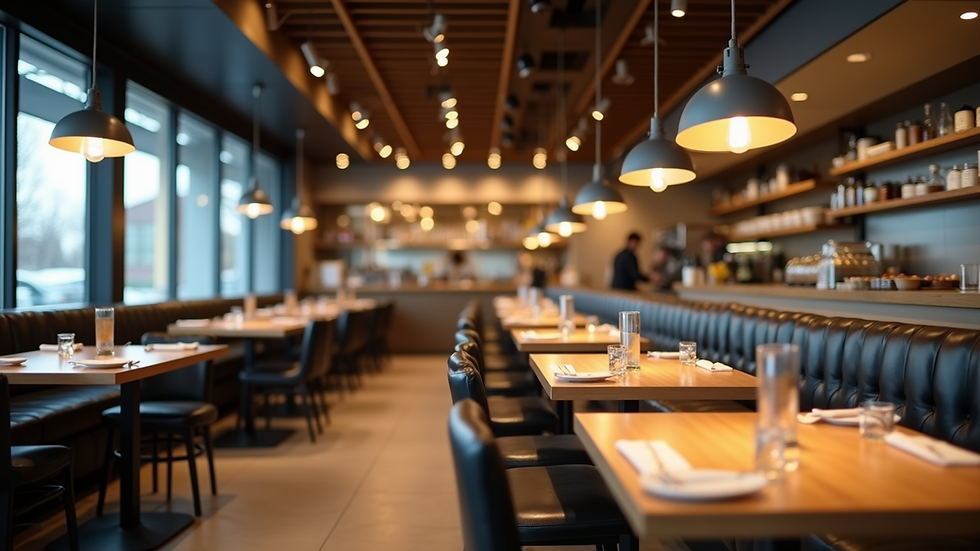
Emphasis on Sustainability
Sustainability is no longer just a buzzword; it has become a fundamental aspect of commercial construction. Restaurants and retail spaces are increasingly focusing on eco-friendly materials and energy-efficient designs. Here are some key elements of this trend:
Use of Recycled Materials: Many businesses are opting for recycled materials in their construction and renovation projects. This not only reduces waste but also appeals to environmentally conscious consumers.
Energy-Efficient Systems: Installing energy-efficient HVAC systems, LED lighting, and smart thermostats can significantly reduce energy consumption. For example, a restaurant that upgraded to energy-efficient appliances reported a 30% reduction in energy costs.
Green Certifications: Achieving certifications like LEED (Leadership in Energy and Environmental Design) can enhance a business's reputation and attract eco-minded customers.
Flexible and Adaptive Spaces
The rise of flexible and adaptive spaces is transforming how restaurants and retail stores are designed. These spaces can easily be reconfigured to meet changing consumer demands. Key aspects include:
Modular Design: Modular construction allows for quick changes in layout without extensive renovations. This is particularly useful for restaurants that want to adapt their seating arrangements based on peak hours.
Multi-Use Areas: Retailers are creating multi-use spaces that can serve different purposes throughout the day. For instance, a coffee shop may transform into a co-working space in the afternoon, attracting a different clientele.
Outdoor Spaces: With the growing popularity of outdoor dining and shopping experiences, many businesses are incorporating patios, gardens, and open-air layouts into their designs.
Technology Integration
Technology is playing a crucial role in modern commercial construction. From smart building systems to enhanced customer experiences, here are some ways technology is being integrated:
Smart Building Systems: These systems allow for real-time monitoring and control of energy use, security, and maintenance. For example, a retail store equipped with smart sensors can adjust lighting based on the time of day and foot traffic.
Augmented Reality (AR): AR is being used in the design phase to help clients visualize their spaces. This technology allows restaurant owners to see how different layouts and designs will look before construction begins.
Contactless Solutions: The pandemic accelerated the adoption of contactless payment systems and digital menus in restaurants. Incorporating these technologies into the construction phase ensures that businesses are prepared for future consumer preferences.
Health and Safety Considerations
Health and safety have become paramount in the design and construction of commercial spaces. Restaurants and retail stores are implementing various measures to ensure the well-being of their customers and staff:
Improved Ventilation: Enhanced ventilation systems are critical in reducing the spread of airborne illnesses. Many restaurants are investing in advanced HVAC systems that filter and circulate air more effectively.
Touchless Features: Installing touchless faucets, soap dispensers, and doors can minimize contact points, making spaces safer for customers.
Social Distancing Layouts: Designing spaces that allow for social distancing is essential. This may involve rearranging seating in restaurants or creating wider aisles in retail stores.
Aesthetic Appeal and Branding
The aesthetic appeal of a space plays a significant role in attracting customers. Restaurants and retail stores are focusing on unique designs that reflect their brand identity:
Local Art and Culture: Incorporating local art and cultural elements into the design can create a sense of community and connection. For example, a restaurant may feature artwork from local artists, enhancing its appeal to residents.
Unique Materials: Using distinctive materials, such as reclaimed wood or industrial metals, can create a memorable atmosphere. This not only attracts customers but also reinforces the brand's identity.
Open Concept Designs: Open layouts that allow customers to see the kitchen or production areas can create a sense of transparency and engagement. This trend is particularly popular in restaurants, where customers appreciate seeing their food being prepared.
Focus on Customer Experience
Creating a positive customer experience is at the forefront of commercial construction trends. Businesses are designing spaces that enhance interaction and engagement:
Interactive Elements: Incorporating interactive elements, such as digital displays or cooking stations, can engage customers and create a memorable experience.
Comfortable Seating: Investing in comfortable seating options can encourage customers to stay longer, increasing the likelihood of additional purchases.
Community Spaces: Designing areas for community events or gatherings can foster a sense of belonging and loyalty among customers. For instance, a retail store may host workshops or classes to engage the local community.
Conclusion
The commercial construction trends for restaurants and retail are driven by a combination of sustainability, technology, and a focus on customer experience. By embracing these trends, businesses can create spaces that not only attract customers but also enhance operational efficiency. As the industry continues to evolve, staying informed about these trends will be crucial for success.
Consider how your business can adapt to these changes and take the next step in creating a space that resonates with your target audience. Whether it's through sustainable practices, innovative technology, or a focus on design, the future of commercial construction offers exciting opportunities for growth and engagement.

Comments